In the previous post[1] we described the orbital interactions involved in stabilising the formation of a Cp2TiS5 complex (figure 1 below, X=S) rather than a Cp2TiS4 complex when Cp2TiCl2 is treated with a mixture of polysulfide dianions – and how these interactions can be “tuned” by variation in the ring atoms.
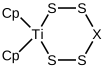
Figure 1. Bis-cyclopentadienyl titanium sulfides.
We identified[1] one compound in which one of the Cp ligands itself is replaced by a hindered phenyoxy group (PUJFUV[2]) thus reducing the number of electrons the Cp ligand contributes to the valence shell of the Ti by four down to only two. Here the effect that this replacement has on the original orbital interactions is explored.
A MN15L/Def2-TZVPP calculation[3] shows the geometry of PUJFUV (Figure 2) to have a calculated S-Ti bond length of 2.395 Å. This compares to 2.466Å for Cp2TiS5 itself and this value is also significantly shorter than any of any of the other analogues described in the previous post (the shortest there being 1.453Å)[1]
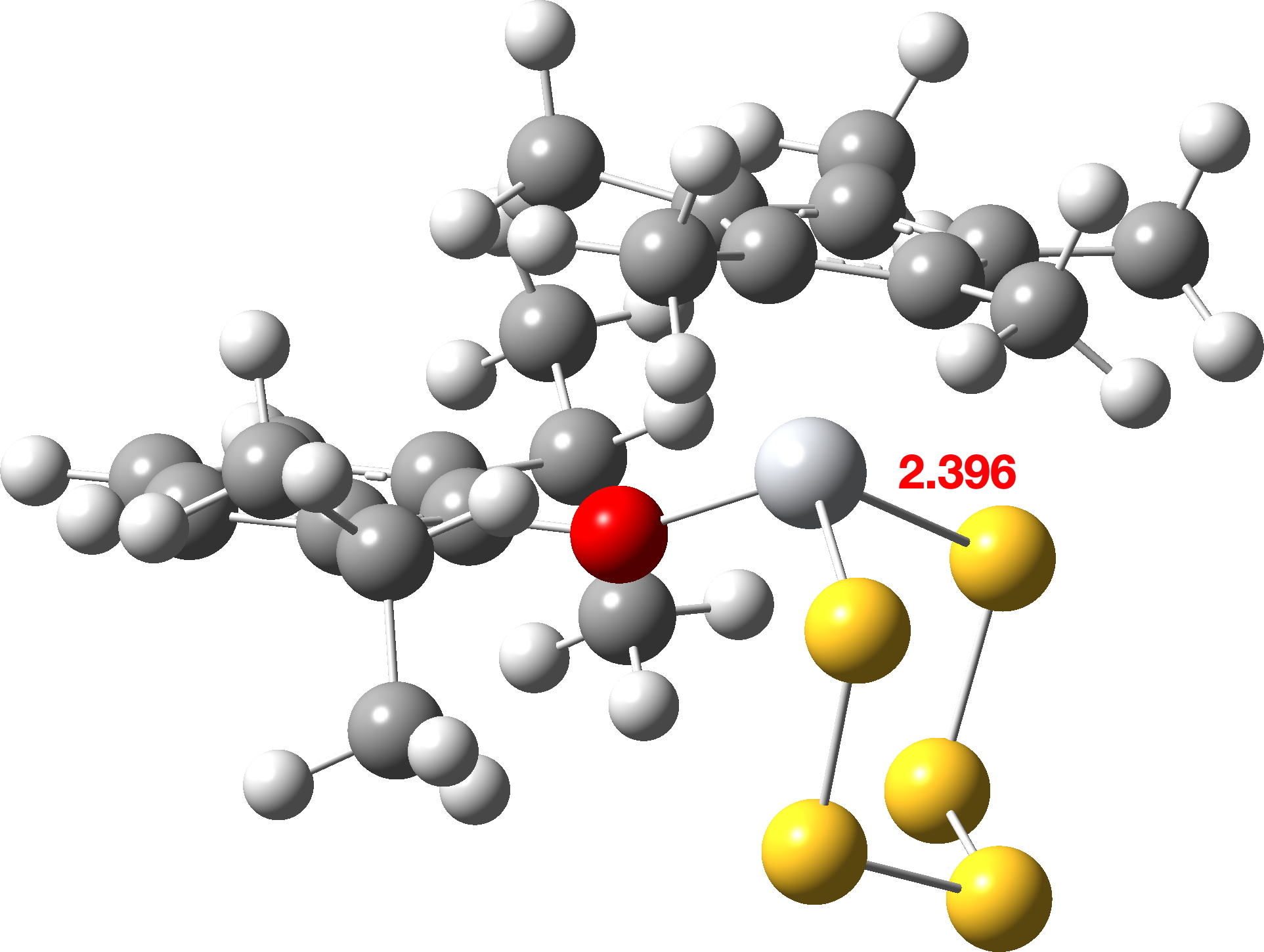
Figure 2. The structure of PUJFUV, a cyclopentadienyl-2,6-di-isopropropoxy titanium pentasulfide.
The interaction previously discussed[1] involves overlap between a p-orbital like lone pair donor on a sufur attached to the Ti with an (almost) empty metal d-orbital (actually a Tid-Sp-π antibonding orbital) as acceptor. PUJFUV has four bonding electrons less than Cp2TiS5 and hence formally now has three empty Ti d-orbitals rather than just one (although some of these electrons may become back-donated from O to Ti, see below).
A pair of Sp-Tid interactions are now found,[4] one from each sulfur to a different Ti d-orbital (Figures 2,3) with NBO E(2) interaction energies of 30.92 and 22.06 kcal/mol (Figures 3 and 4 respectively). The first of these is significantly larger than the largest value previously found (23.59) by some margin[1] whilst the second is about the same. For Cp2TiS5 itself, only one such interaction was calculated – because there was only one unoccupied Ti d-orbital.
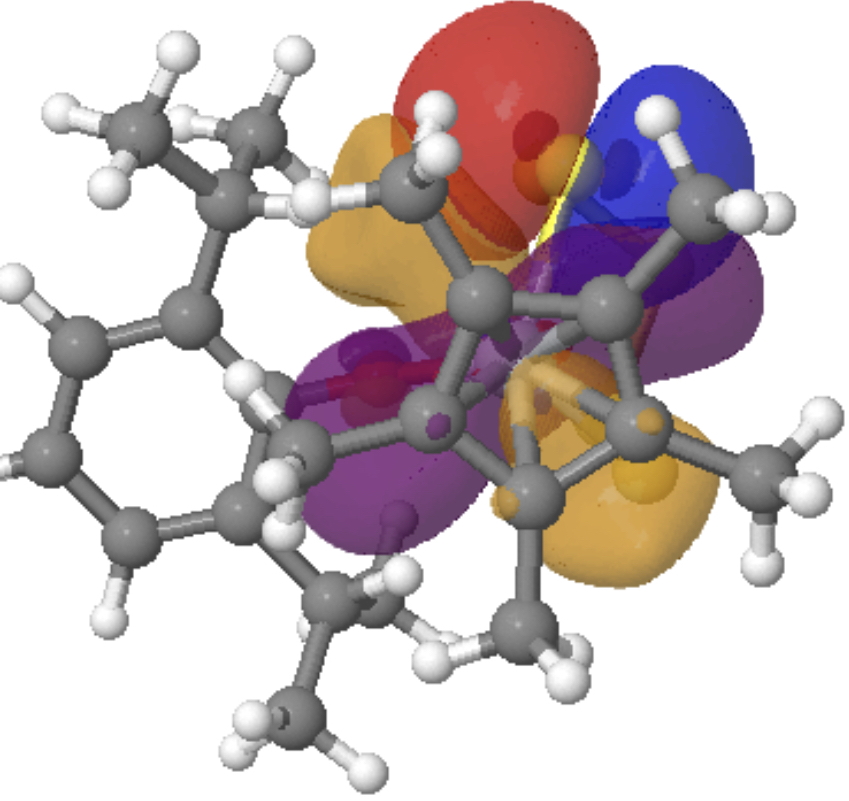
Figure 3. Sp-Tidz2 interaction 1, E(2) = 30.92.[4]
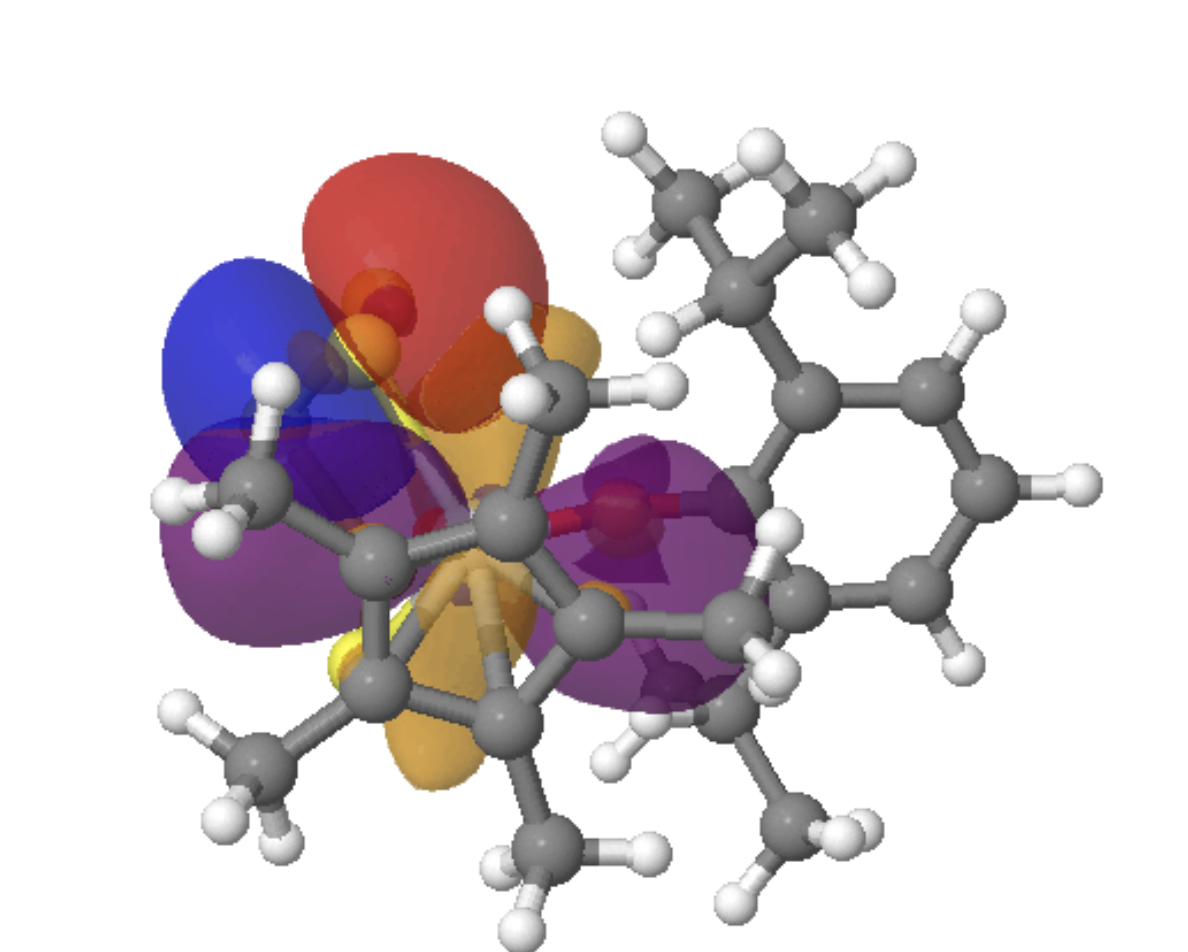
Figure 4. Sp-Tid interaction 2, E(2) = 22.06.[4]
There are also three interactions between one of two lone pairs on the oxygen of the phenoxy group and a titanium d-orbital (Figures 5-7), two from a oxygen p-type lone pair (Figures 5 and 6) and one from an s-type oxygen lone pair (Figure 7). The three interactions conspire to reduce the length of the Ti-O bond to a short value, as noted previously, [1] although this tendency towards a Ti≡O triple bond is only formal.
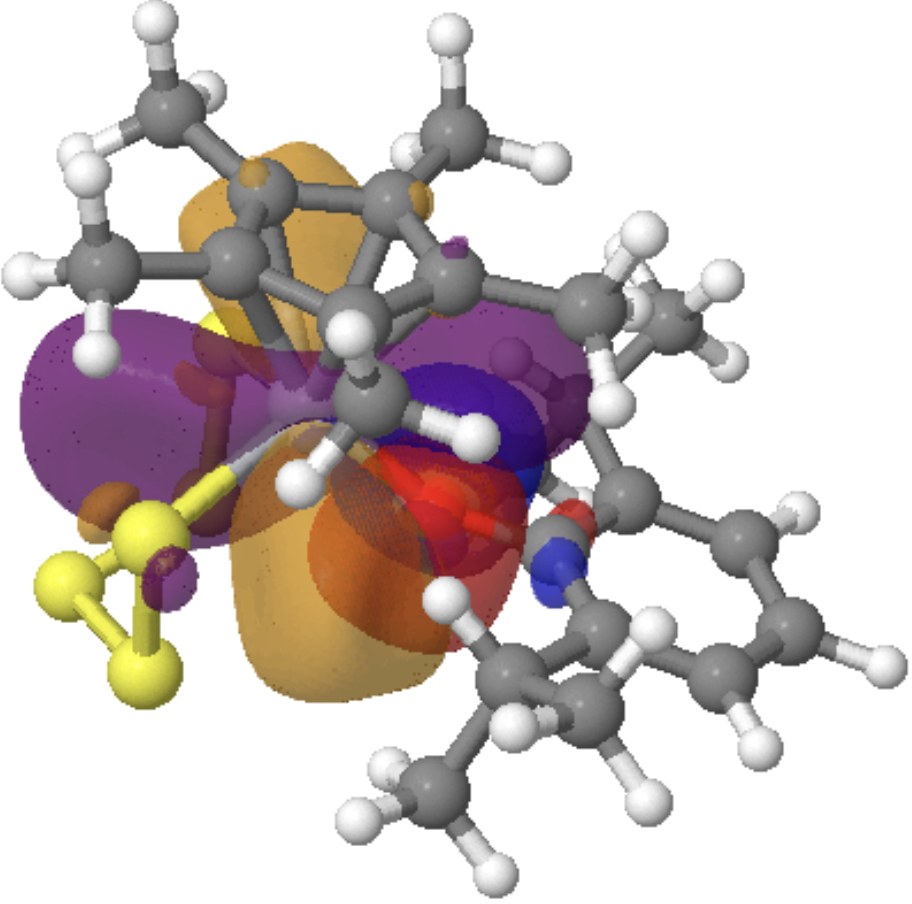
Figure 5. Op-Tid interaction 1, E(2) = 17.64.[4]
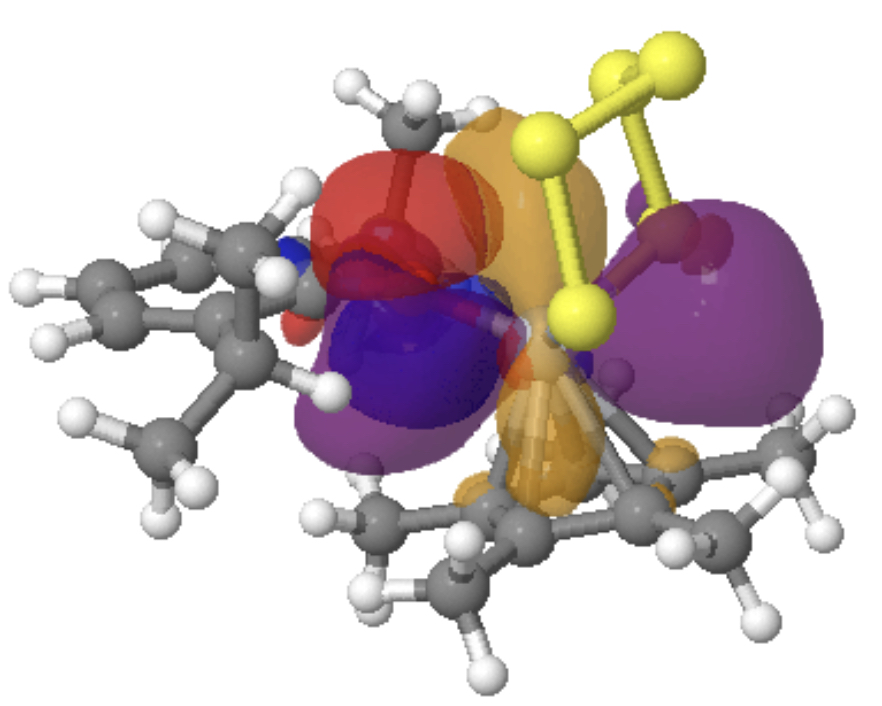
Figure 6. Op-Tid interaction 2, E(2) = 31.53.[4]
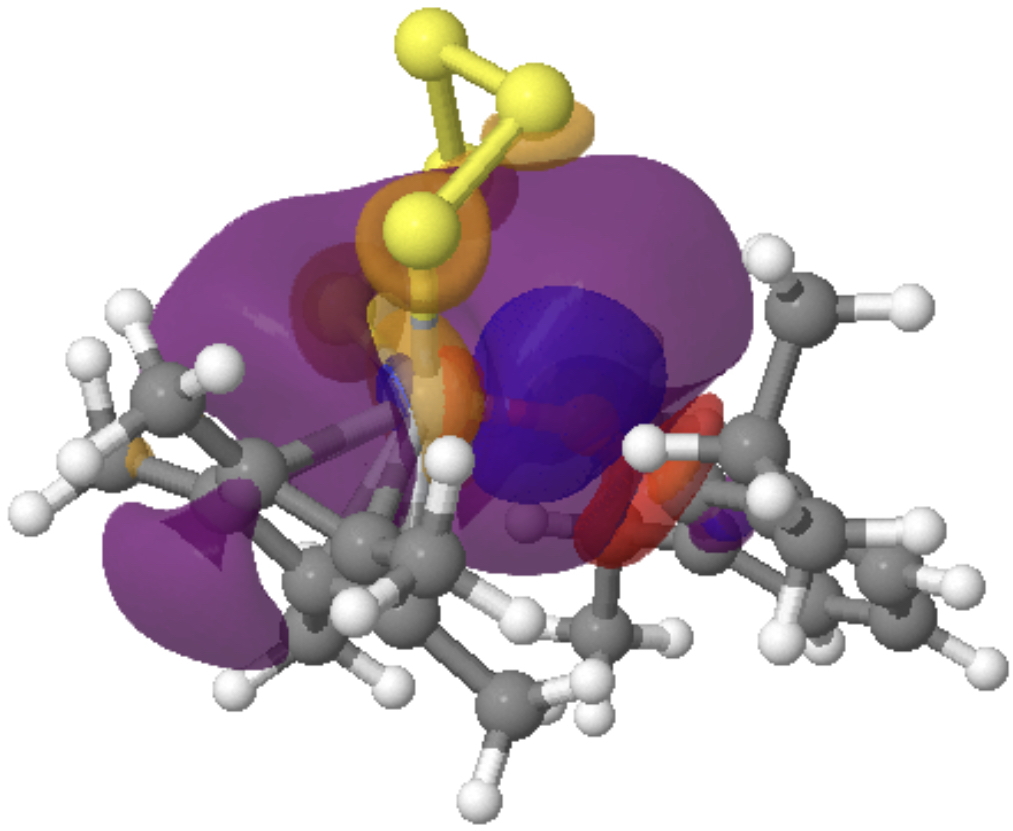
Figure 7. Os-Tid interaction 3, E(2) = 55.84.[4]
The conclusion is that when a Cp ligand is replaced by an O-Ar one, formally three d-orbitals on the Ti rather than one become available for back-donation and the attached sulfur atoms on the sulfur ring can now interact more strongly with the Ti, hence shortening the Ti-S bond length and increasing the Ti-S partial double bond character. The back donation effect, noted[5] as the crucial reason why 16-electron Ti complexes favour a ring with five rather than four sulfur atoms, is also increased in strength for this 12-electron version.This is likely to be the strongest such back-donation for TiS5 systems, although the hunt is on for even stronger examples.
Author

References
- H. Rzepa, "Identifying the origins of the ring-size specificity of transition metals for polysulfide anions: "tuning" the effect.", 2026. https://doi.org/10.59350/p8zwp-39q65
- A.V. Firth, and D.W. Stephan, "Monocyclopentadienyl−Titanium Aryloxide Sulfide Complexes", Inorganic Chemistry, vol. 37, pp. 4726-4731, 1998. https://doi.org/10.1021/ic9800839
- H. Rzepa, "PUJFUV", 2026. https://doi.org/10.5281/zenodo.22690064
- H. Rzepa, "PUJFUV MN15L/Def2-QZVPP NBO7 LP ( 2) S 6 LV ( 1)Ti 1 30.92/ LP ( 2) S 2 . LV ( 2)Ti 1 22.06 LP ( 1) O 7 . LV ( 3)Ti 1 55.84/ LP ( 3) O 7 . LV ( 2)Ti 1 31.53", 2026. https://doi.org/10.5281/zenodo.22691392
- H.S. Rzepa, and J.D. Woollins, "Identifying the origins of the ring-size specificity of transition metals for polysulfide anions", Dalton Transactions, 2026. https://doi.org/10.1039/d6dt01849a